
Why Is Raw Honey So Expensive? Real Reasons Behind Its Price and Purity
Introduction: Why Is This Jar So Expensive?
Raise your hand if you’ve ever picked up a jar of raw honey at the store only to hesitate at the price. It’s not just you. But let’s be real, we all do it. However, is it really worth the price tag? Is it all marketing hoopla, or is there something truly special about raw honey?
In this blog, we’re slicing through the buzzwords to give you the real reasons behind the price. Spoiler: It’s about purity, natural production, health benefits, and yes, ethics (Rootsveyr honey is sourced from a tribal community, not commercial beehive keepers)
We will look at:
-
What is raw honey?
-
Why is raw honey so expensive?
-
Sustainable factors of honey production
-
Health and nutritional benefits of raw honey
-
How to identify genuine raw honey
-
Is it worth paying extra? Expert and consumer insights
-
FAQ
-
Conclusion: Buyer’s Advice
What Is Raw Honey? (Definition + Difference from Processed Honey) ?
Raw honey is as close to nature as you can get. It’s honey in its purest form, straight from the hive. It’s strained to remove bits of wax and bee junk, but that’s about it. No pasteurization (heating) or heavy filtering. This means it still has all the natural enzymes, pollen, propolis, vitamins, and minerals.
The most important thing to remember about raw honey: Honey sold in regular supermarkets has been pasteurized and filtered. To make it clear and smooth, it’s heated, which destroys a lot of good stuff. Raw honey? Not so much.
Key Differences:
-
Raw honey: Cloudy, thick, crystallizes, contains pollen and enzymes, little to no processing
-
Regular honey: Clear, smooth, pasteurized, filtered, may have added sweeteners, less nutritious

Reasons for High Price: Production Cost, Limited Supply, Manual Extraction, Purity
1. Production Cost
Raw honey is a labor of love, literally. Companies like Rootsveyr source from tribal communities and empower livelihoods and not from commercial beehive keepers. Meaning:
-
Manual extraction. Honey is harvested by hand, not machines.
-
Small batches. Every batch is unique, seasonal, and region-specific.
-
No shortcuts. No blending, no heating, no adulteration.
2. Limited Supply
Raw honey is a precious commodity, not a factory output. Honey sourcing from tribal communities means the supply is limited by nature, weather, and the health of wild bees. Commercial honey? It can be produced in large quantities, year-round.
3. Purity and Authenticity
Raw honey is the real deal. No added sugars, syrups, or artificial flavors. Brands like Rootsveyr are committed to no-touch sourcing, no intermediaries. Quality control, certification, and purity mean higher costs.
4. Ethical Sourcing
Rootsveyr’s honey is sourced from tribal communities, not from commercial beehive keepers. This supports traditional knowledge and sustainable livelihoods. Fair wages, no exploitation. Ethical sourcing = higher costs.
Sustainable factors of honey production
-
Sustainability isn’t just about bees. It’s about the whole ecosystem and the people. Here’s how Rootsveyr is doing honey right:
-
Empowers tribal communities
-
By sourcing honey from indigenous groups, Rootsveyr is preserving traditional practices and supporting local economies.
-
Protects wild bees
-
No commercial beehive keeping means less stress on bee populations and healthier ecosystems.
-
Promotes biodiversity

-
Wild honey is a product of local flora, so every jar is unique. It reflects the biodiversity of the region.
-
Sustainable beekeeping is more expensive but critical for the environment’s long-term health.
-
Health and nutritional benefits
Raw honey is a nutrient powerhouse, but you won’t find most of these in processed honey:
-
Enzymes: Help with digestion and gut health.
-
Antioxidants: Reduce inflammation and fight disease.
-
Pollen & propolis: Immune support, anti-inflammatory.
-
Vitamins & minerals: Trace amounts of B vitamins, vitamin C, calcium, iron, magnesium.
Research shows raw honey has 4.3 times more antioxidants than processed honey. Other studies link it to wound healing, antimicrobial properties, and heart health.
Raw honey vs. commercial honey
The difference? Everything you mentioned above. Real honey from the wild, with all its natural benefits. Commercial honey? Stripped of nutrients, heated, blended, or worse, adulterated.
How to identify genuine raw honey?
Fake and adulterated honey is rampant on the market, so how do you spot the real stuff?
Tips to identify authentic raw honey:
-
Check the label. Look for “raw,” “unfiltered,” or “unpasteurized.”
-
Texture. Raw honey is usually cloudy, thick, and may crystallize.
-
Taste. Complex, rich, and varies by season and region.
-
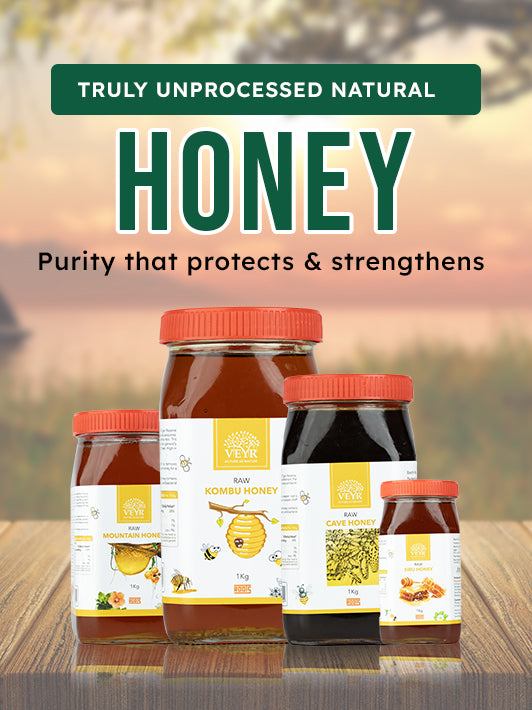
Source. Trust brands that disclose their sourcing (Rootsveyr’s honey is 100% tribal honey)
-
Honey purity test. Drop a spoonful in water. Raw honey settles at the bottom while fake honey dissolves.
-
Price. Genuine raw honey is not cheap. If the price is too good to be true, it probably is.
Is it a scam?
No, high prices are not a scam or marketing ploy. Cheap honey is adulterated, processed, or just plain fake. Is It Worth Paying Extra?
Expert opinion
Nutritionists, food scientists: Raw honey is more expensive due to its purity, nutritional content, and ethical sourcing. The price reflects the value of sustainable practices and fair wages for producers.
Consumer insights
Self-proclaimed health enthusiasts, food bloggers, and eco-enthusiasts: Raw honey tastes better, improves health, and supports sustainable, ethical sourcing.
Final conclusion: Worth it or not?
Yes. If you care about health, sustainability, and authenticity, it’s worth the price.
[shortcode id="692d8d9291bbc4bd5a1c33ed" name="Why Is Raw Honey So Expensive? Real Reasons Behind Its Price and Purity - faq" layout="Accordion"]
Conclusion: Recap and Buyer’s Advice
Raw honey is expensive because it’s pure, minimally processed, nutritionally dense, and ethically sourced. Brands like Rootsveyr take extra steps to ensure their honey empowers tribal communities and protects wild bees.
If you value your health, support sustainable and ethical production, and love nature’s purest sweetener, raw honey is worth every penny.
Tips for Buying Raw Honey:
-
Choose brands with transparent sourcing practices.
-
Look for labels like “raw” and “unfiltered.”
-
Expect natural crystallization and cloudiness.
-
Support ethical producers like Rootsveyr.
For more on Rootsveyr’s story and products, visit their
Tags:
Previous
Why Raw Honey Is So Expensive: 5 Key Reasons
Next
Which Honey Is Truly 100% Pure? How to Identify Real Honey Brands and Avoid Fake Ones
Related articles

5 Healthy Millet Muesli Breakfast Ideas for Kids
Feb 05 2026